
Custom Medal Design Guideline: From Concept to Production
Creating a custom medal design is far more than simply placing a logo on a piece of metal. Whether you are designing a custom sports medal design for a marathon, a custom award medal design for a corporate ceremony, or a personalized medal design for a special event, the process requires a deep understanding of visual impact, symbolism, usability, and manufacturability.
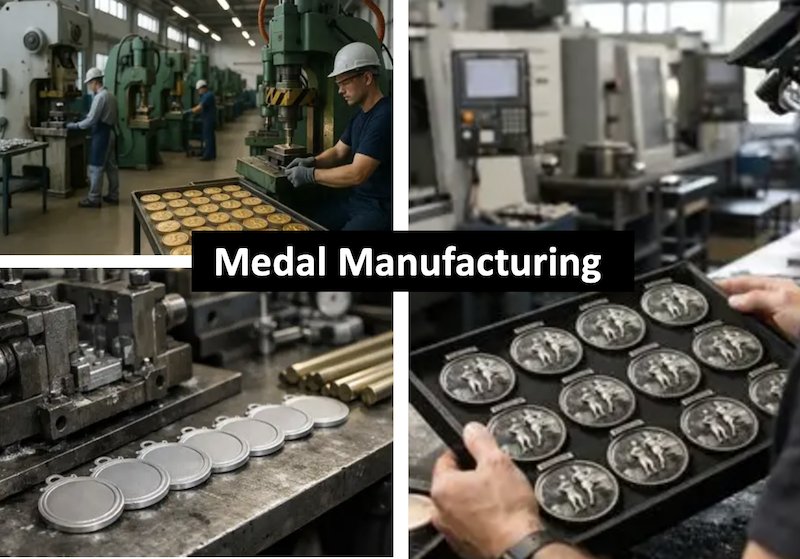
At Morning Craft, as a leading custom medal manufacturer, we have seen thousands of medal projects go from concept to production. The difference between a good medal and a great one often comes down to how well the design accounts for the realities of physical manufacturing.
Why Medal Design Is More Than Putting a Logo on Metal
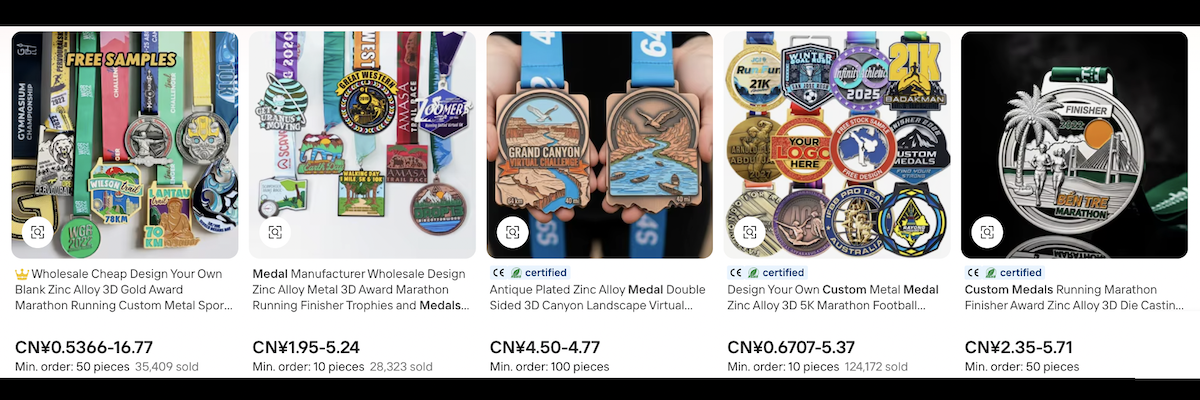
A medal is a physical artifact that represents achievement, memory, and emotion. A great custom medal design tells a story about the event or the accomplishment it celebrates. It should make the recipient feel proud the moment they hold it in their hand.
This means every element—shape, texture, color, text, and finish—must work together to communicate meaning. A poorly designed medal feels generic and forgettable. A well-designed one becomes a treasured keepsake.
Designing for a Screen vs. Designing for Physical Manufacturing
One of the most common mistakes we see from clients is designing a medal the same way they would design a graphic for a website or poster. On a screen, you can use infinitely thin lines, unlimited colors, and subtle gradients. In physical manufacturing, every design decision has consequences for tooling, cost, and production feasibility.
This custom medal design guide will walk you through everything you need to know to create a medal that looks stunning and can actually be manufactured efficiently.
The 3C Principle: Clarity, Contrast, and Composition
Before diving into technical details, remember the 3C principle that governs all effective custom medal design:
- Clarity: Every element should be immediately recognizable, even at small sizes.
- Contrast: Raised and recessed areas, light and shadow, and color differences create visual depth.
- Composition: The arrangement of elements should guide the eye naturally and feel balanced.
Custom Medal Size and Thickness: Getting the Foundations Right
Custom Medal Size
Choosing the right custom medal size is one of the first decisions you will make. Common sizes range from 50mm to 100mm in diameter, though custom shapes can vary. Here are general guidelines:
|
Application |
Recommended Size |
|
Youth sports events |
50–60mm |
|
Standard running events |
60–70mm |
|
Premium marathons |
70–80mm |
|
Corporate or military awards |
60–75mm |
|
Commemorative medals |
70–100mm |
Larger medals provide more design space but also increase material costs and weight. Consider the wearer's experience—a very heavy medal can be uncomfortable during long events.
Custom Medal Thickness
Custom medal thickness directly affects the perceived quality and the level of detail you can achieve:
- 2mm: Budget-friendly, suitable for simple designs with minimal relief.
- 3mm: The most popular choice. Allows moderate 3D relief and good detail.
- 4–5mm: Premium feel, supports deep relief and complex 3D custom medal design.
- 6mm+: Reserved for high-end commemorative pieces or sculptural medals.
As a custom medal manufacturer, we always recommend discussing your design intent before finalizing thickness. A design with deep 3D elements on a 2mm blank will lose detail, while a flat design on a 6mm blank wastes material and budget.
Custom Medal Materials
The choice of custom medal materials affects appearance, weight, durability, and cost. Here are the most common options:
Zinc Alloy
The most popular material for custom medal design due to its excellent casting properties. It supports intricate 3D details, is cost-effective for medium to large runs, and accepts various finishes beautifully.
Iron
A budget-friendly option for simpler designs. Iron medals are typically stamped rather than cast, making them ideal for flat or low-relief designs.
Brass
Offers a premium look with a natural golden tone. Brass is often used for military and high-end commemorative medals. It works well with antique finishes.
Aluminum
Lightweight and affordable, aluminum is suitable for large events where weight and cost are concerns. However, it does not support as much detail as zinc alloy.
Acrylic and Wood
For eco-friendly or modern designs, acrylic and wood offer unique alternatives. These are often combined with metal elements for hybrid designs.
Custom Medal Finishes
Custom medal finishes define the final look and feel of your medal. The right finish can elevate a simple design into something extraordinary.
Common Finishes Include:
- Gold plating: Classic and prestigious, ideal for first-place or premium awards.
- Silver plating: Clean and modern, works well for second-place or corporate events.
- Antique bronze/copper: Adds a vintage, distinguished look. Perfect for commemorative medals.
- Matte finishes: Reduces glare and gives a contemporary feel.
- Dual-tone finishes: Combining two finishes (e.g., gold and silver) on the same medal creates striking contrast.
- Painted/enamelled areas: Adding color through custom enamel medal design brings designs to life.
Soft Enamel vs. Hard Enamel
For custom enamel medal design, you have two main options:
- Soft enamel: Paint is filled into recessed areas, leaving raised metal lines visible. Creates a textured feel. More affordable.
- Hard enamel: Paint is polished flush with the metal surface. Creates a smooth, glossy finish. More durable and premium-looking.
Typography: Making Text Work on a Medal
Text is often the most challenging element in custom medal design. What looks readable on a computer screen may become illegible once stamped or cast in metal.
Minimum Practical Text Size
As a rule of thumb for custom medal design:
- No text should be smaller than 1.5mm in height for raised lettering.
- For recessed text, aim for a minimum of 2mm to ensure readability after plating.
- If the medal is smaller than 50mm, consider limiting text to essential information only.
Letter Spacing and Line Spacing
Tight letter spacing causes characters to merge during production. We recommend:
- Minimum letter spacing of 0.3mm for raised text.
- Minimum line spacing of 1.5mm between lines.
- Avoiding excessively thin characters, as they may break during casting or stamping.
Raised vs. Recessed Text
- Raised text stands out from the medal surface. It is more visible and tactile but requires cleaner lines.
- Recessed text is carved into the surface. It works well with enamel fill and creates a more integrated look.
Text Placement Options
- Around the edge (circular text)
- Centered horizontally
- Along banners or ribbons within the design
- Curved text following the medal shape
- Back-side engraving for event details
Common Typography Mistakes
- Too much text crammed onto one side
- Extremely small lettering that becomes unreadable
- Poor contrast between text and background
- Using too many different fonts in one design
Line Thickness, Detail, and Design-for-Manufacturing
This is one of the most technically critical sections of any custom medal design guideline. Ignoring these rules is the number one cause of production failures and disappointing results.
Minimum Line Thickness
- Raised lines: Minimum 0.3mm width.
- Recessed lines: Minimum 0.4mm width.
- Lines thinner than these will either break during production or fill in with plating material.
Detail Density
Avoid overcrowding your design with tiny details. Every element must be large enough to survive the manufacturing process. If your design includes fine patterns, test them at actual size before committing to production.
3D Custom Medal Design Considerations
For 3D custom medal design, keep these points in mind:
- Maximum relief depth should not exceed 60% of the total medal thickness.
- Steep vertical walls are difficult to demold. Use slight draft angles (3–5 degrees).
- Undercuts (overhanging elements) are generally not possible in single-die casting.
Design File Requirements
As a custom medal manufacturer, Morning Craft accepts the following file formats:
- Adobe Illustrator (.ai) — preferred
- Vector PDF
- CorelDRAW (.cdr)
- 3D files: .STP, .IGS for 3D sculpted designs
Always provide files at actual production size with all fonts converted to outlines.
Custom Medal Ribbon Design
The ribbon is often an afterthought, but a well-executed custom medal ribbon design completes the overall presentation.
Standard Ribbon Specifications
- Width: 25mm is standard; 30mm and 38mm are also common.
- Length: Typically 80–90mm for looped attachment.
- Material: Polyester is the most common due to durability and color vibrancy.
- Printing: Sublimation printing allows full-color custom designs. Woven ribbons offer a more traditional look.
Design Tips for Ribbons
- Match ribbon colors to the event branding or medal finish.
- Keep text on ribbons minimal—event name and year are usually sufficient.
- Consider the attachment method: loop, split ring, or carabiner clip.
Custom Medal Design Ideas by Category
Marathon and Running Medals
Custom sports medal design for running events is one of our most requested categories. Popular design elements include:
- Distance-based themes: Incorporate the distance (5K, 10K, Half, Full) as a central visual element.
- Route maps: Trace the actual race route as part of the medal shape or surface design.
- City landmarks: Feature iconic buildings or bridges from the host city.
- Sport silhouettes: Runner figures in motion create dynamic, recognizable imagery.
Corporate and Award Medals
For custom award medal design, focus on:
- Company logo integration
- Clean, professional layouts
- Premium finishes like gold plating or dual-tone
- Back-side engraving for recipient names
Commemorative and Military Medals
These designs often feature:
- Antique finishes for a historical feel
- High-relief sculptural elements
- Symbolic imagery (eagles, shields, stars)
- Serial numbering or limited-edition markings
Cost Control Through Smart Design
Reducing production costs does not mean making a cheaper-looking medal. Smart custom medal design can reduce tooling complexity, production risk, rejection rates, and unnecessary finishing operations.
Control the Number of Colors
Every additional enamel color adds a separate filling and baking step. Limiting your design to 2–4 colors can significantly reduce cost without sacrificing visual impact.
Avoid Unnecessary High Relief
Deep 3D relief requires more material, longer casting times, and more complex molds. If your design does not truly need deep relief, a moderate 2–3mm relief can look equally impressive.
Optimize Front and Back Artwork
A highly detailed front with a simple back (or vice versa) can reduce mold complexity. Consider whether both sides need full artwork or if one side can carry a simpler design.
Standardize Ribbon Specifications
Custom ribbon widths or unusual attachment methods add cost. Sticking to standard specifications keeps ribbon costs predictable and low.
Order Quantities Strategically
Unit costs decrease significantly with volume. If possible, consolidate orders or plan ahead to take advantage of larger production runs.
Design for Manufacturing From the Beginning
The most cost-effective approach is to involve your custom medal manufacturer early in the design process. At Morning Craft, we offer free design consultation to help you optimize your artwork for production before tooling begins.
How to Design a Custom Medal: Step-by-Step Summary
If you are wondering how to design a custom medal, here is a quick workflow:
Define the purpose: What event or achievement does the medal represent?
- Set specifications: Determine size, thickness, material, and budget.
- Create concept sketches: Explore 2–3 directions before committing.
- Develop vector artwork: Use professional design software at actual size.
- Review for manufacturability: Check line thickness, text size, and relief depth.
- Choose finishes and colors: Select plating, enamel, and ribbon options.
- Request a sample: Always approve a physical sample before full production.
- Confirm production timeline: Standard lead time is 15–25 days after sample approval.
Why Choose Morning Craft as Your Custom Medal Manufacturer?
As a professional custom medal manufacturer with over 15 years of experience, Morning Craft offers:
- Free design consultation and artwork optimization
- Low minimum order quantities (as low as 50 pieces)
- Full range of materials, finishes, and attachment options
- Fast sampling (5–7 days)
- Competitive factory-direct pricing
- Worldwide shipping
Whether you need a custom sports medal design for a marathon, a custom award medal design for a corporate event, or a personalized medal design for a unique occasion, our team is ready to bring your vision to life.
Final Thoughts
A great custom medal design balances creativity with practicality. By following this custom medal design guideline, you can ensure that your medal not only looks beautiful on screen but also translates perfectly into a physical product that recipients will treasure.
If you are ready to start your project or need expert advice on your design, contact Morning Craft today. Morning Craft is here to help you create the perfect medal—from concept to production.
Next News: Rubber Badges


.png)
.png)
.png)
.png)