
How to Add 3D Effects to Custom Medals – Design, Cost & Tips | Morning Craft
Are you looking for a way to make your custom medals stand out from the ordinary? Custom 3D medals have become one of the most sought-after choices for organizations, event planners, and brands that want to create a lasting impression. How to add 3D effects to custom medals? manufacturers use techniques such as raised and recessed metal areas, high-relief sculpting, and multi-level depth variations—strategically combining height contrast, material selection, and finishing methods to create dimensional designs that stand out visually and feel premium to the touch.
Morning Craft has helped hundreds of clients bring their 3D medal design ideas to life. In this comprehensive guide, we'll walk you through everything you need to know about creating custom made medals with stunning three-dimensional effects—from design techniques and material choices to cost considerations and practical tips that save you money without sacrificing quality.
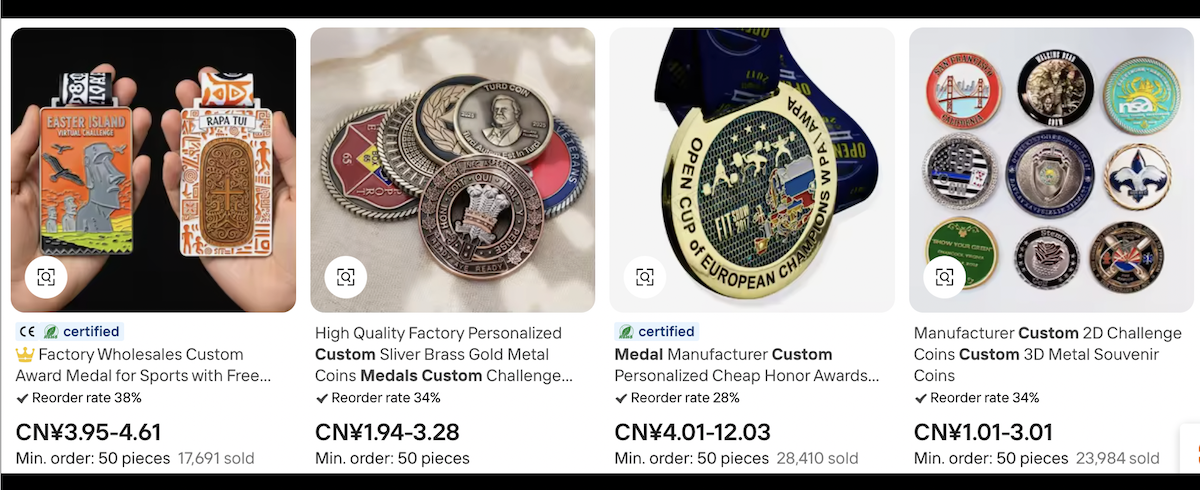
Whether you're exploring medal design ideas for the first time or you're ready to work with a custom medal manufacturer, this article will give you the knowledge to make confident decisions.
The Most Popular Ways to Add 3D Effects to Custom Medals
Not all dimensional medals are created equal. There are several techniques that manufacturers use to achieve three-dimensional effects, and each one serves a different purpose. Understanding these methods will help you communicate your vision clearly and choose the right approach for your project.
1. Raised and Recessed Metal Areas
This is the most common and versatile way to create dimensional effects on custom 3D medals. The technique involves raising certain elements of the design above the surface while recessing others below it, creating a clear visual hierarchy.
How it works:
- Raised logos sit above the background level, catching light and drawing the eye immediately.
- Recessed backgrounds create contrast and give the raised elements room to "breathe."
- The transition between raised and recessed areas creates natural shadow lines that enhance the perception of depth.
This method is particularly effective because it doesn't require extremely complex tooling, making it a cost-efficient way to add dimension to your design.
Best for:
- Corporate logos
- Sports medals
- Military medals
- Simple graphic designs
If your design features a clear central symbol or text that needs to stand out, raised and recessed areas are often the ideal starting point.
2. High-Relief Medal Designs
High relief medals take dimensionality to the next level. Instead of subtle height differences, high-relief designs feature dramatic elevation changes that make the main subject appear almost sculptural.
Key characteristics:
- Dramatic height differences between the highest and lowest points of the design
- The main subject becomes visually dominant, commanding attention from every angle
- Stronger shadows are created naturally, adding richness and depth even without color
High-relief designs require more precise mold-making and careful attention to undercuts, but the result is a medal that feels substantial and premium in the hand.
Best for:
- Animals
- Characters
- Buildings
- Sculptural artwork
If you want your personalized 3D medals to feel like miniature sculptures, high relief is the technique that delivers the most dramatic impact.
Materials for 3D Medal Production: Brass vs. Iron
The material you choose plays a significant role in how your 3D metal medals look, feel, and perform. The two most popular options for custom die cast medals are brass and iron.
|
Factor |
Brass |
Iron |
|
Detail quality |
Excellent – captures fine details sharply |
Good – suitable for most designs |
|
Weight |
Heavier, feels premium |
Lighter |
|
Cost |
Higher |
Lower |
|
Appearance |
Warm, golden tone (before plating) |
Silver-gray tone (before plating) |
|
Durability |
Highly resistant to corrosion |
Strong but may require plating for protection |
When to choose brass: If your design has intricate details, thin lines, or complex textures, brass will reproduce them with superior clarity. It's ideal for high-end commemorative medals and luxury awards.
When to choose iron: If you're producing custom medals in larger quantities and need to manage costs, iron offers excellent value. With proper plating (nickel, gold, antique copper, etc.), iron medals can look just as impressive as brass at a lower price point.
2D vs 3D Custom Medals: Which Should You Choose
One of the most common questions we receive at Morning Craft is whether a client should go with a 2D or 3D design. Here's a clear comparison to help you decide:
|
Factor |
2D Medal |
3D Medal |
|
Visual impact |
Moderate |
High |
|
Design complexity |
Simple |
Complex |
|
Detail depth |
Limited |
Strong |
|
Manufacturing cost |
Lower |
Higher |
|
Production difficulty |
Easier |
More demanding |
|
Premium appearance |
Good |
Excellent |
|
Best for |
Simple logos |
Detailed artwork |
When a 2D Medal Is the Better Choice
A 2D medal works well when:
- Your design is primarily text-based or uses simple geometric shapes
- You need a large quantity at a lower unit cost
- The medal is for a casual event or internal recognition
- You want a clean, modern, minimalist look
When a 3D Medal Is Worth the Extra Investment
A 3D custom medal is the right choice when:
- You want recipients to keep and display the medal long after the event
- Your design features detailed imagery like animals, buildings, or characters
- The medal represents a significant achievement or milestone
- Brand perception and premium quality are priorities
- You want the medal to photograph well for social media or marketing
The truth is, people keep what impresses them. A well-designed custom 3D medal becomes a conversation piece, a shelf display, and a lasting reminder of the moment it represents.
How Much Does It Cost to Add 3D Effects to Custom Medals
Cost is one of the most important considerations when planning custom made medals, and 3D effects do influence pricing. However, understanding the factors involved will help you budget effectively and make smart design decisions.
Factors That Affect 3D Medal Pricing
Several variables determine the final cost of your custom 3D medals:
- Medal size – Larger medals require more material and larger molds.
- Thickness – Thicker medals allow for deeper 3D effects but use more metal.
- Number of depth levels – Each additional layer of depth increases mold complexity.
- Design complexity – Intricate details require more precise tooling and longer production time.
- Material – Brass costs more than iron; zinc alloy falls in between.
- Quantity – Higher quantities reduce the per-unit cost significantly.
- Mold requirements – Complex 3D designs may require multi-part molds or special tooling.
- Plating – Premium finishes like gold, rose gold, or antique effects add cost.
- Color filling – Enamel or epoxy color filling adds steps and materials.
Why Complex 3D Designs Usually Cost More
It's important to understand why 3D medal design complexity drives up cost:
- More complicated mold creation: Each additional depth level requires more precise CNC machining or hand-engraving of the mold. Multi-level molds take longer to produce and may need multiple iterations.
- Additional artwork preparation: Converting a flat design into a production-ready 3D file requires skilled graphic work. The artist must determine exact heights, angles, and transitions.
- Manufacturing difficulty: Deeper relief means the metal must flow into tighter spaces during die casting or stamping. This increases the risk of defects and may require slower production speeds.
- Finishing requirements: Complex 3D surfaces are harder to polish, plate, and inspect. Each recess and raised area must be finished consistently.
How to Create a Great 3D Effect Without Increasing Costs Too Much
Here's where experienced custom medal manufacturer guidance makes a real difference. You can achieve a stunning 3D look without breaking your budget by following these strategies:
- Use 3D only on the focal area. You don't need every element to be three-dimensional. Apply depth to your main subject (logo, mascot, symbol) and keep secondary elements simpler.
- Simplify the background. A clean, recessed background with minimal texture creates contrast without adding manufacturing complexity.
- Avoid unnecessary tiny details. Extremely fine details at small scales often get lost in production and increase mold costs. Focus on bold, readable shapes.
- Select an appropriate material. If your design doesn't require ultra-fine detail, iron with quality plating can deliver excellent results at a lower cost than brass.
- Optimize medal size. A slightly smaller medal with well-executed 3D effects will look better than a large medal with shallow, underwhelming depth.
- Order a quantity that reduces unit costs. Mold costs are fixed regardless of quantity. Ordering 200+ pieces instead of 50 can dramatically reduce your per-medal price.
These tips come from years of production experience at Morning Craft. We always work with clients to find the sweet spot between visual impact and budget efficiency.
Common Mistakes to Avoid When Designing Custom 3D Medals
Even with the best intentions, some design choices can undermine your 3D custom medals. Here are the most frequent mistakes we see:
- Mistake 1: Adding depth everywhere. When every element is raised, nothing stands out. Strategic use of depth creates focus; overuse creates visual noise.
- Mistake 2: Ignoring the back side. Many designers focus entirely on the front. But the back of your medal is an opportunity for additional branding, event details, or a personalized message.
- Mistake 3: Designing without considering production limits. What looks great on screen may not translate well to metal. Always consult with your manufacturer early in the design process.
- Mistake 4: Choosing the wrong finish. A highly detailed 3D design can be ruined by a flat, uniform plating. Consider antique finishes, dual-tone plating, or selective color filling to enhance the depth.
- Mistake 5: Not requesting a physical sample. Always ask for a pre-production sample or at least a detailed 3D rendering before committing to full production.
Final Thoughts: Create a Custom Medal That People Want to Keep
Good 3D medal design is not simply about adding more detail. The best designs use depth strategically—creating a clear focal point, strong height contrast, and meaningful visual hierarchy that draws the eye and rewards closer inspection.
Choosing the right material, applying proper finishing techniques, and working with an experienced manufacturing partner are all essential to producing a custom 3D medal that feels premium, looks professional, and stands the test of time.
At Morning Craft, we combine design expertise with advanced manufacturing capabilities to turn ordinary artwork into memorable, premium custom medals. Whether you need high relief medals for a championship event, custom die cast medals for corporate recognition, or personalized 3D medals for a special commemoration, our team is ready to help.
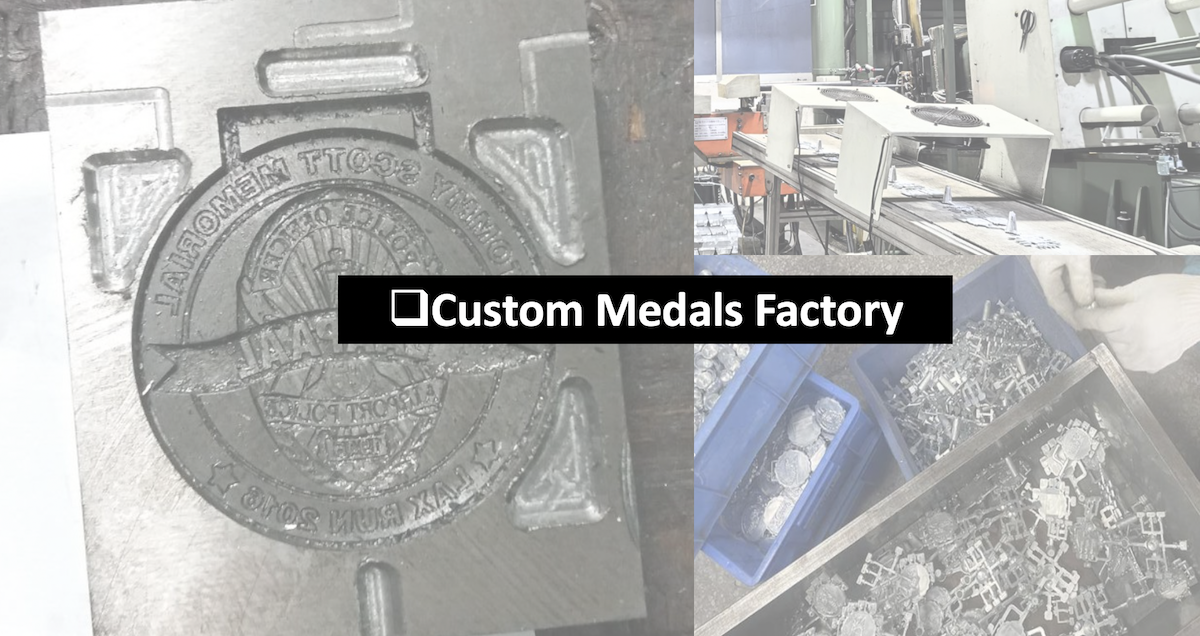
Ready to Bring Your 3D Medal Design to Life
Submit your artwork or ideas to Morning Craft today. Our design team will review your concept, recommend the best materials and techniques, and provide a detailed quote—free of charge.
Contact Us Now to start your custom medal project and discover how professional manufacturing support can elevate your design from good to unforgettable
Next News: Common Medal Design Mistakes


.png)
.png)
.png)
.png)